
Managing Spring Air Quality When California Pollen Spikes
When California landscapes shift into bloom, pollen levels can climb fast. You may notice the change outdoors first, yet the bigger surprise often comes when symptoms continue inside your home. Your HVAC system continuously circulates air, which can have an impact on any pollen that makes its way into your home. At Alps Heating & Air Conditioning, Inc. in Anaheim, CA, we help homeowners prepare their systems before allergy season intensifies. Understanding how pollen interacts with your HVAC system gives you a better chance of keeping your indoor air more comfortable during peak months.
Why Indoor Air Quality Changes During Pollen Season
Pollen is light, fine, and, especially in California’s spring season, persistent. It enters through doors, attaches to clothing, and drifts through small openings around windows. Once inside, it does not stay in one place. Your heating and cooling system pulls air through return vents, cycles it through filters and components, and sends it back into living spaces.
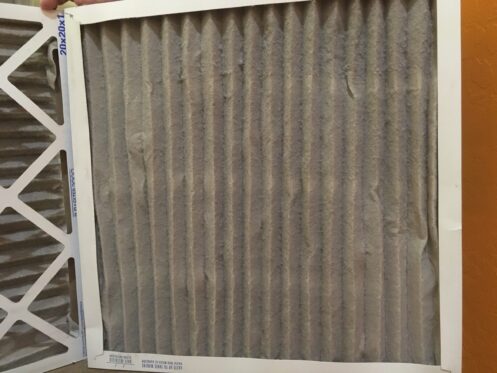
If filters are clogged or components are dusty, pollen can circulate longer than expected. Indoor air quality, often referred to as IAQ, depends on how well your system captures and manages airborne particles. During high-pollen periods, the system works harder to maintain balance. Without proper maintenance, fine debris can linger and settle on surfaces, only to lift again when airflow increases.
How Airflow Patterns Influence Allergen Spread
Air does not move randomly through your home. It follows the pathways created by ductwork, vents, and pressure differences. When airflow becomes uneven, some rooms may trap stagnant air while others experience stronger circulation.
In areas with limited airflow, pollen can accumulate on furniture, bedding, and flooring. In areas with strong but unbalanced airflow, particles remain suspended longer. A well-maintained HVAC system distributes air evenly, so filtration can capture more of the circulating air. Balanced airflow supports better IAQ by reducing hotspots where allergens collect.
The Role of Filtration During High Pollen Counts
Not all air filters perform the same way. During peak pollen months, filter efficiency becomes more noticeable. Standard filters capture larger dust particles but may allow smaller pollen fragments to pass through.
Higher-efficiency filters can trap finer material, but they must match your system’s airflow capacity. A filter that restricts airflow too much can reduce system performance. Proper selection balances filtration and circulation. For example, a HEPA filter is likely too much for your home’s HVAC system. In contrast, a filter rated between MERV 8 and 13 can capture particulates without restricting airflow to a detrimental degree.
How Maintenance Supports Cleaner Indoor Air
Seasonal maintenance addresses the components that influence air quality most. Evaporator coils can accumulate dust and pollen, affecting airflow and cooling efficiency. Blower motors move air throughout the system and must remain clean to distribute air evenly.
During spring AC maintenance in Anaheim, technicians inspect internal components, verify system operation, and confirm that controls respond accurately. These steps help the system manage both temperature and particle levels effectively. Maintenance does not eliminate outdoor pollen, yet it improves how your system handles what enters the home.
Humidity and Its Connection To Spring Comfort
California spring weather can shift between dry afternoons and damp coastal mornings. Indoor humidity levels respond to these changes. When indoor air becomes too dry, particles remain suspended longer. When humidity rises, allergens may cling to surfaces and feel heavier.
Your HVAC system helps regulate moisture as it cools the air. Proper cycle length allows the system to recirculate conditioned air. If the equipment runs short cycles due to performance issues, humidity may remain inconsistent. That imbalance can intensify allergy discomfort. Monitoring both temperature and moisture levels helps create a more stable indoor environment during pollen surges.
When To Schedule a Seasonal Check
The best time to address pollen-related concerns is before symptoms peak. Early spring appointments allow technicians to evaluate system performance before heavy cooling demand begins. Waiting until summer heat sets in can mean scheduling during higher service demand periods.
Preparing Your HVAC for a Healthier Season
Spring pollen affects more than your outdoor experience. It influences indoor comfort and air quality, depending on how your HVAC system performs. Annual maintenance, filtration, and balanced airflow help reduce the impact of seasonal allergens. At Alps Heating & Air Conditioning, Inc., we help homeowners prepare their HVAC systems for changing seasons so indoor air stays more comfortable. From repairs to installations and more, we can help. Schedule your spring HVAC maintenance with Alps Heating & Air Conditioning, Inc. and take control of your indoor air before pollen peaks.