

Learn Why California’s Mild Winters Can Still Make Your Heat Pump Work Too Hard
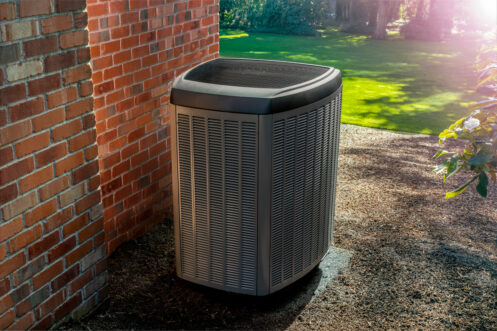
California winters rarely bring long stretches of extreme cold, leading many homeowners to assume their heat pumps get an easy season off. In reality, mild winters often place a different kind of strain on heat pumps. Instead of cycling on and off in clear bursts, they run in frequent, extended intervals to maintain comfort during cool mornings, damp evenings, and shifting daytime temperatures. At Alps Heating & Air Conditioning, Inc. in Anaheim, CA, we see heat pumps struggle during these conditions more often than homeowners expect.
Why Mild Winter Weather Creates Hidden Strain
Heat pumps operate most efficiently when outdoor temperatures stay within a moderate range. California’s winter climate seems ideal on paper, but frequent temperature swings create constant demand. Cool nights and mornings followed by warmer afternoons force the system to adjust output repeatedly. That pattern keeps components active for longer periods instead of allowing full rest cycles.
Humidity also plays a role in coastal and valley regions. Moist air increases the effort required to transfer heat, even when outdoor temperature stays relatively mild. Defrost cycles may activate more often, and the compressor works harder to maintain indoor comfort. Its extra effort adds up across the season.
Short Cycling That Isn’t Always Obvious
Short cycling does not always look like rapid on and off bursts during winter. In mild climates, it often appears as frequent partial cycles where the system never fully shuts down. The heat pump starts, slows, then ramps back up as conditions shift. Over time, this pattern stresses electrical components, contactors, and the compressor.
You may notice uneven comfort between rooms or temperature that feels stable but slightly off from thermostat settings. These subtle changes point to a system working constantly without reaching an efficient rhythm. Left unchecked, short cycling increases wear and raises energy use even during moderate weather.
Outdoor Equipment Working Harder Than Expected
During California winters, outdoor units face conditions that are less harsh but more persistent. Morning moisture, fog, and overnight condensation affect coils and airflow. Dirt and debris that accumulate during dry months reduce heat transfer efficiency when winter arrives.
When airflow drops, the system compensates by running longer cycles. Fans, motors, and compressors handle increased load even though outdoor temperatures never reach extreme lows. You might hear the outdoor unit running more often than expected or notice vibration that was not present before. These signs indicate increased strain.
Reversing Valves and Control Boards Under Pressure
Heat pumps switch between heating and cooling modes using a reversing valve. Mild winter days often require frequent mode changes as indoor needs shift. Each transition activates electrical controls and mechanical components.
Repeated switching places wear on valves and control boards, especially in systems that don’t receive regular maintenance. If the reversing valve hesitates or sticks, the system may blow cooler air during heating cycles or struggle to reach set temperatures. These issues often surface gradually, making them easy to dismiss until performance drops further.
Energy Bills That Rise Without Clear Weather Changes
One of the most common signs of a heat pump working too hard is a steady increase in energy use during winter months that feel mild. When the system runs longer cycles to compensate for airflow restrictions or control issues, power consumption climbs.
You may not notice dramatic spikes, but month-to-month increases add up. A heat pump that never settles into efficient cycles draws more electricity even when outdoor conditions seem favorable. Monitoring winter energy trends helps reveal hidden strain that mild weather masks.
Airflow Issues That Reduce Comfort
Indoor airflow problems often surface during winter because heat pumps rely on steady circulation to distribute warm air. Filters clogged during fall reduce airflow when heating demand begins. Duct issues that went unnoticed during the cooling season become more apparent as the system runs longer.
Rooms farthest from the air handler may feel cooler, and vents may deliver warm air that lacks force. These symptoms suggest the system is compensating for restrictions by increasing runtime. Airflow problems increase wear while reducing comfort.
Before Spring Arrives
Heat pumps in mild winter climates rarely get a true break. Instead, they handle constant adjustments that slowly wear down parts. Watching for subtle signs like rising energy use, uneven comfort, and extended runtime helps you respond before larger problems develop. At Alps Heating & Air Conditioning, Inc., we provide heat pump inspections and seasonal maintenance when you join our Comfort Club.
Schedule service with Alps Heating & Air Conditioning, Inc. today to keep your heat pump running smoothly throughout the winter and beyond.